BP begins 'static kill' to permanently plug ruptured well
 0
0 


British oil giant BP said Tuesday it had begun the so-called "static kill" procedure to permanently plug the ruptured well in the Gulf of Mexico.
 |
|
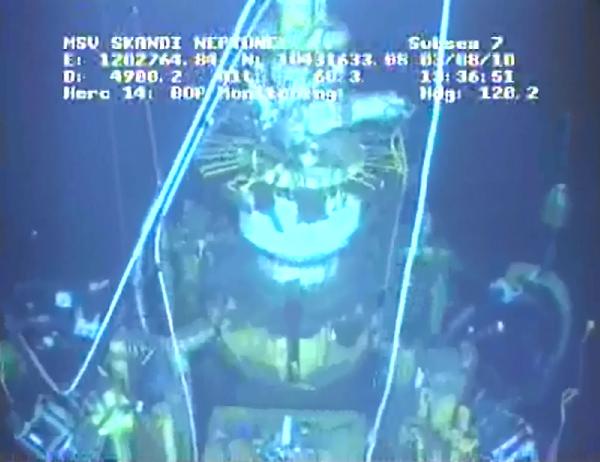
Video image captured August 3, 2010 from a BP live feed shows the containment capping stack on the blown-out oil well in the Gulf of Mexico. BP said it started pumping drilling mud on Tuesday as part of the static kill operations hoping to plug the blown-out oil well for good. [Xinhua/BP Live Feed] |
The engineering procedure of sealing the underwater gusher by pumping mud into the well from above started at about 4 p.m. ET, BP said in a news release.
The London-based company said the move was carried out with the approval of U.S. Coast Guard Admiral Thad Allen, who is tasked to handle the oil spill.
The "static kill" followed a crucial test that determines whether the process will work. The "injectivity test", initially planned for Monday, was postponed to Tuesday because of a small hydraulic leak discovered in the containment cap that kept the damaged well shut.
The hydraulic leak had been fixed by crews overnight, according to Allen. The 'static kill' process would last between 33 and 61 hours, he said.
The static kill method of pouring mud, possibly followed by cement, into the well from above would ideally push all the oil back into the reservoir and help seal the well.
Meanwhile, both Allen and BP officials said that relief wells being drilled are the "answer" to sealing the ruptured well for good.
The first of the two BP relief wells under construction is expected to be completed in mid-August. If the "static kill" succeeds, it will make it easier to finish the relief wells and also reduce the amount of mud needed to choke the oil once and for all.
As BP gets close to ending the 100-day plug spill ordeal, scientists charged with determining the flow from the leaking well said Monday that about 4.9 million barrels of oil have seeped from it. About 800,000 barrels of the runaway oil were retrieved by siphoning vessels on the surface over the leak.
Hundreds of millions of liters of crude oil spewed into the sea before BP managed to seal the leak in mid-July with a tight- fitting containment cap.


