Dolphins indicate healthy freshwater ecosystems
 0
0 


Dwindling freshwater dolphin numbers are raising concerns about the declining health of some of the world's most important rivers, shows a new study by World Wildlife Fund (WWF).
|
|
|
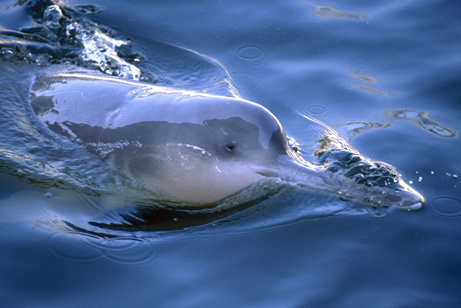
The Yangtze river dolphin, or baiji swims in China's largest?Yangtze River. [File photo] |
"The well-being of river dolphins is a telltale indicator of river health, and their decline should sound an alarm bell for everyone – our rivers are at risk, and we need to clean up our act to stop this nosedive," says Dr. Li Lifeng, Director of WWF's Freshwater Programme.
River dolphins and porpoises swim in some of the world's largest rivers, including the Yangtze, Ganges, Mekong, Indus and Amazon. But these river basins are also home to hundreds of millions of people in some of the most densely populated and poorest areas of the planet.
In these regions and many others, human actions including unsustainable fishing, toxic runoff from agriculture and industry, as well as the construction of dams and infrastructure projects that block river flows have contributed to the decline of freshwater dolphins.
The same factors will also have a major impact on people, Dr. Li says:
"The Yangtze river dolphin, or baiji, is functionally extinct. Our lack of action is compounding this tragedy around the world, harming both river dolphins and the communities that rely on these rivers to survive."
Further evidence of this decline can be found in the Ganges, where small river dolphin populations have become increasingly isolated due to the presence of dams and barrages. Already listed as endangered, their inability to travel to find mates or food is among the many serious hurdles they face.
Meanwhile, the devastating floods affecting over 17 million people in Pakistan are testing the endangered Indus river dolphin. While difficult to predict the overall effects on this elusive species, it is likely they will move out of their usual territories and find themselves trapped when water levels return to normal.
Overfishing and pollution are other important factors that River Dolphins and People identifies as major threats. Southeast Asia's Irrawaddy dolphin, for example, has suffered a great deal from these and other factors, with all three subpopulations in the Irrawaddy, Mekong and Mahakam rives now listed as critically endangered.
But Dr. Li he adds that there is also room for optimism.
"The good news is that because the threats are of our making, the solutions can be of our making too. And saving the dolphins will have positive effects beyond the species – extending to surrounding freshwater ecosystems, international river basins, and ultimately ourselves."


