What is climate change?
 0
0 


 |
Shifting weather patterns, for example, threaten food production through increased unpredictability of precipitation, rising sea levels contaminate coastal freshwater reserves and increase the risk of catastrophic flooding, and a warming atmosphere aids the pole-ward spread of pests and diseases once limited to the tropics.
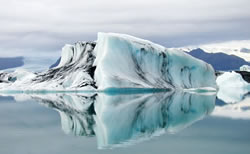
The news to date is bad and getting worse. Ice-loss from glaciers and ice sheets has continued, leading, for example, to the second straight year with an ice-free passage through Canada’s Arctic islands, and accelerating rates of ice-loss from ice sheets in Greenland and Antarctica. Combined with thermal expansion—warm water occupies more volume than cold—the melting of ice sheets and glaciers around the world is contributing to rates and an ultimate extent of sea-level rise that could far outstrip those anticipated in the most recent global scientific assessment.
There is alarming evidence that important tipping points, leading to irreversible changes in major ecosystems and the planetary climate system, may already have been reached or passed. Ecosystems as diverse as the Amazon rainforest and the Arctic tundra, for example, may be approaching thresholds of dramatic change through warming and drying. Mountain glaciers are in alarming retreat and the downstream effects of reduced water supply in the driest months will have repercussions that transcend generations. Climate feedback systems and environmental cumulative effects are building across Earth systems demonstrating behaviours we cannot anticipate.
The potential for runaway greenhouse warming is real and has never been more present. The most dangerous climate changes may still be avoided if we transform our hydrocarbon based energy systems and if we initiate rational and adequately financed adaptation programmes to forestall disasters and migrations at unprecedented scales. The tools are available, but they must be applied immediately and aggressively.


