Incessant drought, excessive farming and domestic animal raising have contributed to the rapid shrinking of the wetland at Xianghai State Nature Reserve in Jilin Province, experts say.
Zhao Jun, deputy head of the nature reserve administration, said the acreage of wetland in the reserve has reduced to less than 6,000 hectares from 36,000 hectares, and the number of lakes in the reserve has fallen to five from 22, with 17 lakes drying up.
Reed, cattail and other vegetation have also deteriorated in the reserve, Zhao said.
If the current drought continues, the existing surface water in the reserve will dry up by the end of next year, Zhao said, warning that Xianghai risks becoming a "sea of sand."
The average annual rainfall in the nature reserve is 400 millimeters while the average annual evaporation level is 1,945mm.
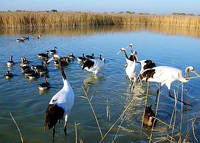
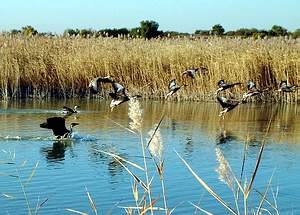
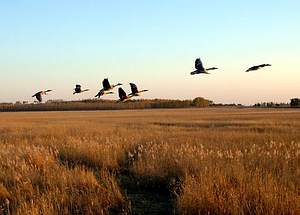
The Xianghai reserve, boasting one of China's six major wetlands, is home to 253 kinds of rare and valuable birds, including bustard and red-crowned cranes. Nine of the 15 kinds of cranes in the world, including red-crested cranes, are visible in the Xianghai reserve, along with other rare species of birds, such as swans, golden eagles, and white storks. The total species of birds discovered here numbers more than 250.
Sparsely populated and dotted with pastures and lakes and covered with varied vegetation, the reserve is ideal for the reproduction of migratory birds.
"As a result of environmental deterioration, the number of birds in Xianghai is depleting sharply," said Professor Gao Wei of Northeast Normal University.
Gao said there were about 200 cranes in the nature reserve in 2001, and the figure has reduced to less than 100 now.
Another factor contributing to the plight of the nature reserve is the damage done by human activities. More than 20,000 people live in the reserve, most of them farming and raising livestock. In 2002, 936 hectares of wetland were fenced up by farmers for growing crops. The reclaimed land was returned to the wetland two months later.
Moreover, the number of domestic animals in the reserve has amounted to 300,000, six times the number for 1986 when the reserve was established. In order to stop further deterioration, the central government has taken a series of measures. These measures include diverting water from nearby rivers into the wetland, building facilities to store water, and fencing up hills for afforestation.
(Xinhua News Agency August 11, 2005)