日韩午夜精品视频,欧美私密网站,国产一区二区三区四区,国产主播一区二区三区四区

中文 English Fran?ais Deutsch 日本語 Русский язык Espa?ol ???? Esperanto BIG5
SiteMap Feedback
Weather
2007 NPC & CPPCC Sessions Home | News | In Focus | Proposals | Photo Journal
Web Exclusives More
Religion Can Contribute to Building a Harmonious Society
- Draft Tax Law Reflects Shift in Gov't Focus: Academic
- NPC, CPPCC Sessions in the Eyes of the Chinese Public
- Diversion Not Answer to Water Scarcity
About NPC
NPC FAQs More
- What is the legislative process of the National People's Congress?
- What is the legislative process of the NPC Standing Committee?
- What role does the People's Congress system play in the life of the people of China?
About CPPCC
CPPCC FAQs More
- How did the CPPCC get its name?
- What is the CPPCC's composition?
- What are the primary functions of the CPPCC?
Government in Graphs
Sessions in 2006
Sessions in 2005
Sessions in 2004
Sessions in 2003
Sessions in 2002
Sessions in 2001
More About China
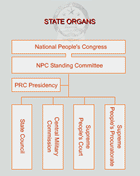
State Structure
Government White Papers
China's Judicial System
China's Political System
China's Legislative System

China in Brief
China News and Report
China Quick Facts
China Questions & Answers
Ethnic Minorities in China

China: Facts and Figures 2005
China Statistics
Province View
Tibet Facts & Figures (2006)

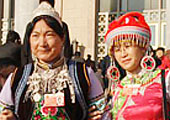
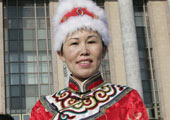
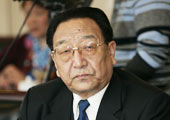
Ethnic Minority Deputies and Members at the Two Sessions

As a multi-ethnic country, China has consistently sought to improve its Program for the Implementation of Ethnic Regional Autonomy since it was originally issued on August 8, 1952. This progress has relied on developing ethnic relations on the basis of equality, solidarity, mutual benefit and prosperity for all.

In the 55 years since the ethnic regional autonomy policy was adopted, considerable achievements have been seen across the spectrum, in fields as varied as politics, economy, society, culture, education and arts for ethnic groups. In consequence, the living conditions for those concerned have improved while the tapestry of political life nationwide has been enriched by ever-more ethnic minority delegates taking part.

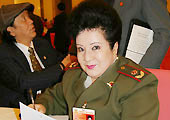
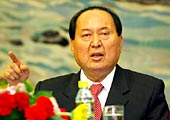
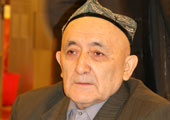
350 NPC deputies and CPPCC members are currently gathering in Beijing to represent ethnic minority people in state affairs and are engaged in active debate over state affairs. The policy of ethnic regional autonomy maintains its role as an important cog in the engine of a socialist democracy with Chinese characteristics while shining out as a beacon for the harmonious involvement and prosperity of all ethnic groups.


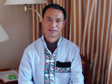
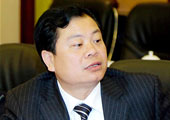
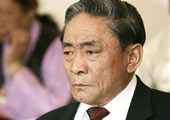
Qiangba Puncog, NPC Deputy (Tibetan)
Xu Qinheng, NPC Deputy (Mulam)
Pan Ye, NPC Deputy (Yao)
Raidi, NPC Deputy (Tibetan)
Wei Mingshan, NPC Deputy (Miao)
Zhong Meiyun, NPC Deputy (She)
Wei Hong, CPPCC Member (Va)
Jiamila, CPPCC Member (Uygur)
Tibetan CPPCC Member
Ismail Tiliwaldi, NPC Deputy (Uygur)
Gao Wei, CPPCC Member (Mongolian)
Uygur CPPCC Member
Ethnic Minority NPC Deputies
Moinba NPC Deputy
Long Jianhong, NPC Deputy (Hezhe)
Pan Huayan, NPC Deputy (Yi)
Legqog, NPC Deputy (Tibetan)
Thubten Nyima, NPC Deputy (Tibetan)
 1 2 3 4 5 6 7 8 9
SiteMap | About Us | RSS | Newsletter | Feedback
SEARCH THIS SITE
Copyright ? China.org.cn. All Rights Reserved E-mail: webmaster@china.org.cn Tel: 86-10-88828000 京ICP證 040089號
主站蜘蛛池模板: 湘乡市| 侯马市| 溧水县| 聂荣县| 杂多县| 焉耆| 集贤县| 白河县| 开远市| 潼关县| 广州市| 北碚区| 上思县| 观塘区| 云安县| 信丰县| 台湾省| 阳新县| 额敏县| 团风县| 额尔古纳市| 阳西县| 循化| 黔西县| 华池县| 高州市| 新闻| 林州市| 犍为县| 三门县| 隆昌县| 瓮安县| 田林县| 博白县| 南阳市| 汉沽区| 万全县| 乐业县| 平舆县| 通海县| 象山县|