
日韩午夜精品视频,欧美私密网站,国产一区二区三区四区,国产主播一区二区三区四区

Are coronavirus fears being over-hyped by the media?

Are the relentless dominance of the novel coronavirus epidemic in the media and the alarmist rhetoric of the stories fueling panic and anxiety about the disease and, consequently, feeding racist sentiment towards Asian people?

China.org.cn March 9, 2020
By Gabrielle Pickard Whitehead

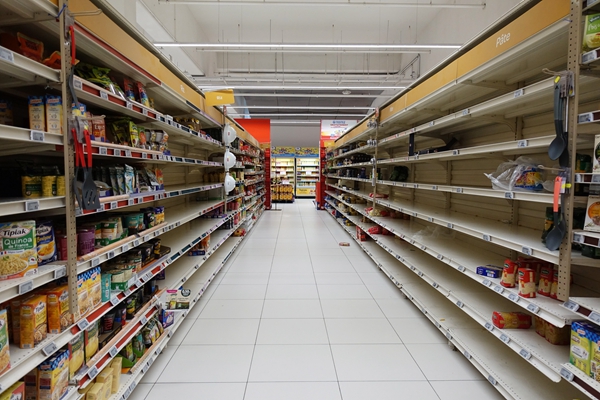
Almost-empty shelves are seen at a supermarket in Villeneuve-la-Garenne, Paris, France, on March 5, 2020. [Photo/Xinhua]

It seemed like a long time ago when the term "coronavirus" was first splashed across the news in early 2020. 

Since the current outbreak of the novel coronavirus disease, officially known as COVID-19, was first reported from Wuhan, China, in December 2019, the disease has been a dominating headline in media around the world. 

In the U.K., even Brexit, which has governed the news channels for years, has been muted, overshadowed by broadcasts of health officials advising people on how to wash their hands properly.  

As media hype about the disease intensifies, retailers around the world are making moves to ration toilet paper and pharmacies are selling out of hand sanitizers. As consumers frantically stockpile, supermarkets draw up "feed the nation" contingency plans that would help communities cope should there be a sudden escalation of the outbreak. 

The virus is spreading quickly, with more than 93,000 people around the world known to be infected. Around 20% of confirmed cases are classed as critical or severe, with almost 3,200 deaths recorded, standing the coronavirus death rate, as the BBC reports, at between 2% and 5%. 

The spread of the COVID-19 and fears of the virus becoming pandemic are being relentlessly reported in all forms of international media, offline and online. Barely a news broadcast goes by without health experts commenting on the virality of the disease, heeding warnings about its spread, and offering advice about how to thwart a well-hyped "imminent" pandemic. 

Are the relentless dominance of the coronavirus story in the media and the alarmist rhetoric of the stories fueling panic and anxiety about the disease and, consequently, feeding racist reaction towards Asian people? 

A new disease of unknown territories 

Syra Madad, senior director of the special pathogens program for the New York City Health and Hospitals Corporation, voiced the sentiment that the COVID-19 fears are being overhyped. Speaking to Fox News, Dr. Madad noted how the "newness" of coronavirus is escalating fears. "One of the reasons why there is obviously so much fear and anxiety is because it's new, and no one likes new," she said. 

She added how the disease should be put into context, with other existing diseases proving significantly more fatal and common than the novel coronavirus. "Right now in the northern hemisphere, it's still peak flu season time… There's already been 32 million Americans, at the minimum, that have been infected with seasonal flu over a period of just a few months."

Out of the 32 million flu infections, at least 18,000 deaths have been recorded in the U.S. so far this year.  

Outside Wuhan, the epicenter of the COVID-19 outbreak, the fatality rate of the disease is just 0.7%, significantly less than the 2% - 5% fatality rate circulating much of the media. 

When compared to Ebola, for example, which has a fatality rate of 90%, the death-toll of the COVID-19 is significantly marginal. 

Guinea, Sierra Leone, and Liberia were the three countries that bore the brunt of the Ebola epidemic, which plagued West Africa from 2014 to 2016. As well as the thousands of lives that were lost to what is a treatable disease because of a collapsed medical system, the Ebola outbreak brought a number of highly deliberating knock-on implications to these countries, namely hysteria, mob violence, and economic ruin. 

It could be argued that with the intense media coverage, hype, and panic about the novel coronavirus, lessons have not been learned from the Ebola outbreak, with similar hysteria and exile being showered on China. 

Language of fear stokes prejudice 

The language being used in the media to describe the outbreak is undoubtedly contributing to the mass hysteria about the disease. 

For example, headlines like "Find the hidden virus carriers," "Virus explosion…. epidemic likely," and other fear-mongering phrases like "public health emergency" are stoking panic and leading to discriminatory behavior and prejudice being shown towards China and Asia.

A shocking example of such prejudice occurred in London recently, when a young student from Singapore was beaten up by a gang who goaded him about the novel coronavirus. In what was clearly a racially motivated attack, 23-year-old Jonathan Mok was beaten, as his attackers told him, "I don't want your coronavirus in my country."

The case isn't isolated to the U.K. In France, a movement has been circulating social media called #JeNeSuisPasUnVirus #IAmNotAVirus, which reflects the hostility being shown towards Chinese people as media-induced mass hysteria continues around the disease. 

While the media has a duty to report about issues related to public health, it is well-established that news coverage can have a significant impact on people's behavior. 

In the case of the novel coronavirus outbreak, the ongoing domination of the story in the media that is littered with alarmist rhetoric and misinformation is arguably escalating tensions and creating an epidemic of hostility towards China. 

Gabrielle Pickard Whitehead is a British-based freelance writer. 

Opinion articles reflect the views of their authors, not necessarily those of China.org.cn.

If you would like to contribute, please contact us at opinion@china.org.cn.

Are coronavirus fears being over-hyped by the media?
Are the relentless dominance of the novel coronavirus epidemic in the media and the alarmist rhetoric of the stories fueling panic and anxiety about the disease and, consequently, feeding racist sentiment towards Asian people?
China.org.cn | March 9, 2020 | By Gabrielle Pickard Whitehead

Almost-empty shelves are seen at a supermarket in Villeneuve-la-Garenne, Paris, France, on March 5, 2020. [Photo/Xinhua]

It seemed like a long time ago when the term "coronavirus" was first splashed across the news in early 2020. 

Since the current outbreak of the novel coronavirus disease, officially known as COVID-19, was first reported from Wuhan, China, in December 2019, the disease has been a dominating headline in media around the world. 

In the U.K., even Brexit, which has governed the news channels for years, has been muted, overshadowed by broadcasts of health officials advising people on how to wash their hands properly.  

As media hype about the disease intensifies, retailers around the world are making moves to ration toilet paper and pharmacies are selling out of hand sanitizers. As consumers frantically stockpile, supermarkets draw up "feed the nation" contingency plans that would help communities cope should there be a sudden escalation of the outbreak. 

The virus is spreading quickly, with more than 93,000 people around the world known to be infected. Around 20% of confirmed cases are classed as critical or severe, with almost 3,200 deaths recorded, standing the coronavirus death rate, as the BBC reports, at between 2% and 5%. 

The spread of the COVID-19 and fears of the virus becoming pandemic are being relentlessly reported in all forms of international media, offline and online. Barely a news broadcast goes by without health experts commenting on the virality of the disease, heeding warnings about its spread, and offering advice about how to thwart a well-hyped "imminent" pandemic. 

Are the relentless dominance of the coronavirus story in the media and the alarmist rhetoric of the stories fueling panic and anxiety about the disease and, consequently, feeding racist reaction towards Asian people? 

A new disease of unknown territories 

Syra Madad, senior director of the special pathogens program for the New York City Health and Hospitals Corporation, voiced the sentiment that the COVID-19 fears are being overhyped. Speaking to Fox News, Dr. Madad noted how the "newness" of coronavirus is escalating fears. "One of the reasons why there is obviously so much fear and anxiety is because it's new, and no one likes new," she said. 

She added how the disease should be put into context, with other existing diseases proving significantly more fatal and common than the novel coronavirus. "Right now in the northern hemisphere, it's still peak flu season time… There's already been 32 million Americans, at the minimum, that have been infected with seasonal flu over a period of just a few months."

Out of the 32 million flu infections, at least 18,000 deaths have been recorded in the U.S. so far this year.  

Outside Wuhan, the epicenter of the COVID-19 outbreak, the fatality rate of the disease is just 0.7%, significantly less than the 2% - 5% fatality rate circulating much of the media. 

When compared to Ebola, for example, which has a fatality rate of 90%, the death-toll of the COVID-19 is significantly marginal. 

Guinea, Sierra Leone, and Liberia were the three countries that bore the brunt of the Ebola epidemic, which plagued West Africa from 2014 to 2016. As well as the thousands of lives that were lost to what is a treatable disease because of a collapsed medical system, the Ebola outbreak brought a number of highly deliberating knock-on implications to these countries, namely hysteria, mob violence, and economic ruin. 

It could be argued that with the intense media coverage, hype, and panic about the novel coronavirus, lessons have not been learned from the Ebola outbreak, with similar hysteria and exile being showered on China. 

Language of fear stokes prejudice 

The language being used in the media to describe the outbreak is undoubtedly contributing to the mass hysteria about the disease. 

For example, headlines like "Find the hidden virus carriers," "Virus explosion…. epidemic likely," and other fear-mongering phrases like "public health emergency" are stoking panic and leading to discriminatory behavior and prejudice being shown towards China and Asia.

A shocking example of such prejudice occurred in London recently, when a young student from Singapore was beaten up by a gang who goaded him about the novel coronavirus. In what was clearly a racially motivated attack, 23-year-old Jonathan Mok was beaten, as his attackers told him, "I don't want your coronavirus in my country."

The case isn't isolated to the U.K. In France, a movement has been circulating social media called #JeNeSuisPasUnVirus #IAmNotAVirus, which reflects the hostility being shown towards Chinese people as media-induced mass hysteria continues around the disease. 

While the media has a duty to report about issues related to public health, it is well-established that news coverage can have a significant impact on people's behavior. 

In the case of the novel coronavirus outbreak, the ongoing domination of the story in the media that is littered with alarmist rhetoric and misinformation is arguably escalating tensions and creating an epidemic of hostility towards China. 

Gabrielle Pickard Whitehead is a British-based freelance writer. 

Opinion articles reflect the views of their authors, not necessarily those of China.org.cn.

If you would like to contribute, please contact us at opinion@china.org.cn.

Print E-mail Bookmark and Share
主站蜘蛛池模板: 明光市| 玉树县| 保山市| 天长市| 搜索| 南康市| 邵阳县| 西吉县| 肇东市| 鸡泽县| 新和县| 绥宁县| 武夷山市| 南靖县| 甘德县| 安溪县| 沐川县| 四子王旗| 黎平县| 丹凤县| 云南省| 清丰县| 桐梓县| 肃宁县| 抚松县| 松江区| 泰州市| 明光市| 达尔| 天峻县| 宾阳县| 徐汇区| 丹寨县| 黄山市| 溧阳市| 老河口市| 饶河县| 泰和县| 遂昌县| 厦门市| 彩票|